More Than a Meal: Why Food & Beverage Strategy Matters in Event Planning
Understanding the True Impact of Catering
Event planners face countless decisions when organizing conferences, meetings, and corporate gatherings. Among these choices, food and beverage planning often receives less strategic attention than venue selection, programming, or technology; yet catering represents one of the most powerful tools for achieving event objectives.
The numbers tell a compelling story. Food and beverage typically accounts for 29.9% of total event budgets, representing an average spend of approximately $940 per attendee at conferences (GoGather, 2025). This substantial investment demands strategic consideration beyond simply "feeding people."
Research consistently demonstrates that catering quality significantly influences event outcomes. Event planners recognize F&B as a critical factor in overall event success, yet many organizations continue to treat meals as functional necessities rather than strategic opportunities (Bishop-McCann, n.d.).
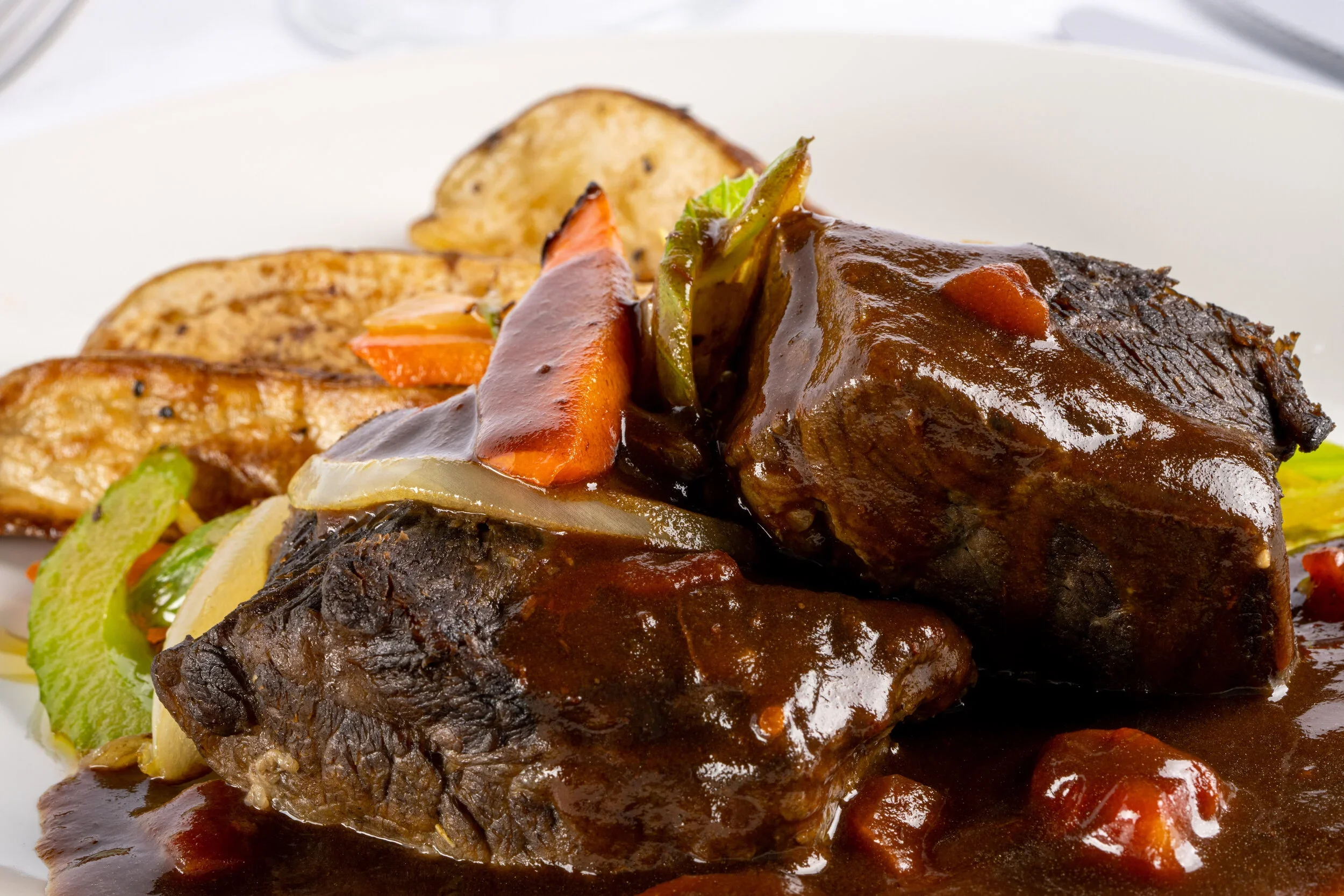
At the Blair County Convention Center, we approach catering as an integral component of event design. Our on-site culinary team, led by experienced hospitality professionals, works collaboratively with event organizers to create food experiences that support networking, enhance attendee satisfaction, and strengthen your event's overall impact.
The Psychology Behind Shared Meals: Why Food Matters Beyond Nutrition
The Biological Foundation of Social Bonding
Human beings are fundamentally social creatures, and sharing food activates deeply embedded psychological mechanisms that facilitate connection and cooperation.
Research demonstrates that eating together triggers specific neurochemical responses that promote social bonding. Studies with chimpanzees, bonobos, and humans show that after even a single food-sharing event, levels of circulating oxytocin, often called the "bonding hormone", are significantly elevated (Wittig et al., 2014). This oxytocin release promotes feelings of trust, attachment, and cooperation among individuals, regardless of their previous relationship history.
The implications for event planning are profound. When conference attendees share meals, they're not simply consuming calories; they're engaging in an activity that biologically predisposes them to form connections, build trust, and collaborate more effectively.
Social meals stimulate the brain's endorphin system, activating pathways closely linked to oxytocin and dopamine, the neurochemicals responsible for bonding, trust, and pleasure (National Geographic, 2025). This synchronized eating experience creates what anthropologists call "commensality," the act of eating together to strengthen social bonds.
Food as a Natural Networking Tool
Shared meals reduce social barriers in ways that structured networking sessions often cannot. Breaking bread together creates what researchers describe as a "safe space" for vulnerability and deeper relationship building, an environment where hierarchies diminish and authentic connection becomes more accessible (Onward Living, 2025).
The physical act of eating together encourages informal, organic conversation. Unlike formal presentations or structured panel discussions, meals allow attendees to interact naturally, discuss ideas without rigid time constraints, and build relationships that extend beyond the immediate event context.
The Quality Signal: What Your Menu Communicates
Catering quality sends powerful signals about how event organizers value their attendees. High-quality, thoughtfully prepared meals communicate respect for participants' time and investment. They demonstrate that the organizing team has considered attendee experience comprehensively, not just programmatic content.
Conversely, poor food quality becomes a significant distraction. When attendees' basic physical needs, hunger and thirst, aren't met with appropriate options, engagement declines, satisfaction drops, and early departures increase (Bishop-McCann, n.d.). The meal that was meant to fuel productive afternoon sessions instead becomes the focal point of negative feedback.
Strategic Menu Planning: Matching Service Style to Event Goals
Effective catering strategy requires alignment between food service format and event objectives. Different service styles create distinct social dynamics and serve different programmatic purposes.
Buffet Service: Optimizing for Networking and Movement
Buffet-style service actively encourages attendee movement and interaction. Research suggests that buffets create natural opportunities for mingling, as guests encounter different groups while navigating food stations and seating areas (Bishop-McCann, n.d.).
Ideal Applications:
Networking receptions and meet-and-greets
Break-out session meals where cross-pollination between groups is valuable
Events where flexible timing is important (attendees can eat when schedule permits)
Conferences emphasizing informal relationship building
Considerations:
Requires adequate space for service lines and flow management
May create longer dining periods as guests move through stations
Benefits from strategic station placement to encourage traffic patterns
Plated Service: Creating Structure and Focus
Plated, sit-down service provides formality, structure, and synchronized dining experiences. This format ensures all attendees eat simultaneously without the interruption of service lines, making it particularly effective when meals are integrated with programming elements.
Ideal Applications:
Awards ceremonies and recognition events
Keynote presentations delivered during meals
Formal galas and fundraising dinners
Events where timing precision is critical
Considerations:
Requires careful coordination between kitchen and program timing
Benefits from experienced service staff familiar with event flow
Works best when menu accommodations are collected in advance
Interactive Food Stations: Engagement Through Experience
Specialized food stations; carving stations, made-to-order stations, dessert bars, transform meals into experiential components. These stations serve dual functions: providing food and creating conversation starters that double as entertainment elements (Bishop-McCann, n.d.).
Ideal Applications:
Events emphasizing attendee experience and engagement
Conferences where "wow factor" matters for branding purposes
Multi-day events where variety helps maintain interest
Celebrations and milestone events
Considerations:
Requires skilled culinary staff for live preparation
May need additional setup space and equipment
Creates memorable moments that enhance overall event perception
Inclusivity as Strategy: Dietary Accommodations as Risk Management
Dietary inclusivity has evolved from "nice to have" to essential event planning requirement. The statistics are unequivocal: approximately 33 million Americans have food allergies, with over 10% of adults experiencing convincing food allergy symptoms (FARE, 2024; Gupta et al., 2019). Among food-allergic adults, 51.1% have experienced severe reactions or anaphylaxis.
Beyond Compliance: The Business Case for Accommodation
Providing clear, safe dietary options is simultaneously a safety requirement, a legal consideration under the Americans with Disabilities Act, and a strategic opportunity to demonstrate organizational values.
Every three minutes, a food allergy reaction sends someone to the emergency room in the United States (FARE, 2024). For event planners, this translates to genuine liability risk. More significantly, it represents potential harm to attendees whose participation and safety should be organizational priorities.
Key Dietary Considerations:
Food allergies: Peanuts, tree nuts, shellfish, milk, eggs, wheat, soy, sesame, and fish represent the most common allergens
Religious dietary laws: Halal, kosher, and other faith-based requirements
Medical dietary needs: Celiac disease, diabetes management, other conditions requiring specific accommodations
Lifestyle choices: Vegetarian, vegan, and plant-based preferences increasingly common among attendees
Practical Implementation
Effective dietary accommodation requires systematic processes:
Advance Collection: Request dietary needs during registration with specific, detailed questions
Menu Transparency: Provide complete ingredient information for all menu items
Kitchen Communication: Ensure culinary team understands cross-contamination risks and separation protocols
Service Protocol: Train staff to verify dietary accommodations during service
Emergency Preparedness: Have clear protocols if allergic reactions occur
When done well, comprehensive dietary accommodation becomes invisible to most attendees while being literally life-saving for others. It signals that your organization values inclusive participation and takes attendee wellbeing seriously.
The BCCC Culinary Advantage: Why On-Site Catering Matters
Freshness and Quality Control
The difference between on-site and off-site catering fundamentally impacts food quality. Off-site catering requires food preparation hours before service, transportation to venue locations, and reheating or holding at temperature until service time. Each step compromises food temperature, texture, and overall quality.
On-site catering at the Blair County Convention Center ensures food travels directly from kitchen to plate at optimal temperature and peak freshness. Our culinary team prepares meals specifically timed to your event flow, eliminating the quality degradation inherent in transport-based catering models.
Operational Flexibility and Real-Time Adaptation
Events rarely proceed exactly as scheduled. Keynote presentations run long, break-out sessions finish early, or last-minute attendance changes require service adjustments. On-site culinary teams can adapt instantly to these realities.
Because our kitchen staff and event coordinators work in the same building, we can adjust timing dynamically without compromising food quality. If your morning session runs 20 minutes over schedule, our team can hold back service to ensure attendees receive properly prepared food rather than items that have been sitting under heat lamps.
This operational flexibility extends beyond timing. Unexpected dietary accommodations, last-minute menu modifications, or service flow adjustments are manageable challenges for on-site teams but often impossible requests for external caterers working from remote kitchens.
Venue-Specific Expertise
The Blair County Convention Center culinary team possesses intimate knowledge of how food service flows within our specific spaces. We understand precisely how to serve 50 attendees efficiently in our smaller meeting rooms and how to execute plated service for 500 in our main ballroom without service delays.
This venue expertise includes:
Traffic pattern understanding: Optimal buffet station placement for specific room configurations
Service capacity knowledge: Realistic timeline expectations for different service styles and group sizes
Equipment familiarity: Efficient use of venue-specific kitchen equipment and service infrastructure
Coordination experience: Seamless communication between kitchen, service staff, and event coordination teams
External caterers, regardless of quality, lack this location-specific knowledge. They must assess unfamiliar spaces, work with rented equipment, and coordinate with staff who may not understand venue logistics. These knowledge gaps create inefficiencies that impact service quality and event flow.
Putting Strategy Into Practice: Partnering for Success
Effective catering requires true partnership between event organizers and culinary teams. At the Blair County Convention Center, we approach every event as a collaborative process where menu design supports your specific objectives.
Our Consultation Process
When you work with our team at the BCCC, we meet with you regularly to understand:
Event objectives: Are you prioritizing networking, formal recognition, educational content delivery, or celebration?
Attendee profile: What are the dietary needs, considerations, and expectations of your specific audience?
Budget parameters: How can we deliver maximum value within your F&B allocation?
Schedule integration: How do meal services integrate with your overall program flow?
Branding opportunities: How can menu design reinforce your organization's identity or event theme?
From Power Breakfasts to Gala Dinners
Whether you need:
Continental breakfasts for 20 board members
Working lunches for 100 conference attendees
Cocktail receptions for 150 networking participants
Formal plated dinners for 500 gala attendees
Our culinary team brings the same commitment to quality, attention to dietary inclusivity, and operational excellence.
Elevating Food & Beverage from Necessity to Strategy
The next time you plan an event, consider treating catering decisions with the same strategic rigor you apply to speaker selection, venue choice, or technology planning. Food and beverage represent significant budget investment, create powerful psychological impacts on attendee connection and satisfaction, and communicate important signals about organizational values and event priorities.
Poor catering can overshadow excellent programming. Exceptional catering enhances every other element of your event, creating positive associations that extend far beyond the meal itself.
The Blair County Convention Center culinary team stands ready to serve as your partner in creating food experiences that taste excellent, accommodate diverse needs safely and inclusively, and support your broader event objectives strategically.
Ready to discuss how the BCCC’S F&B planning can strengthen your next event? Contact the Blair County Convention Center to explore how our team can enhance your attendee experience and event outcomes.
References
Bishop-McCann. (n.d.). Event trends: Food and beverage in 2023 and 2024. https://blog.bishopmccann.com/2017-food-beverage-event-trends
FARE. (2024). Food allergy facts and statistics. Food Allergy Research & Education. https://www.foodallergy.org/resources/facts-and-statistics
GoGather. (2025, January 28). Budget benchmarking data for your 2025 conferences. https://gogather.com/blog/budget-benchmarking-data-for-your-2025-conferences
Gupta, R. S., Warren, C. M., Smith, B. M., Blumenstock, J. A., Jiang, J., Davis, M. M., & Nadeau, K. C. (2019). Prevalence and severity of food allergies among US adults. JAMA Network Open, 2(1), e185630. https://doi.org/10.1001/jamanetworkopen.2018.5630
National Geographic. (2025, May 19). Sharing a meal with friends and family could be the key to better mental health. https://www.nationalgeographic.com/health/article/communal-dining-loneliness-epidemic
Onward Living. (2025, May 9). 7 ways shared meals foster social connections & create lasting bonds. https://www.onwardlivinghq.com/926/fostering-social-connections-through-shared-meals/
Wittig, R. M., Crockford, C., Deschner, T., Langergraber, K. E., Ziegler, T. E., & Zuberbühler, K. (2014). Food sharing is linked to urinary oxytocin levels and bonding in related and unrelated wild chimpanzees. Proceedings of the Royal Society B: Biological Sciences, 281(1778), 20133096. https://doi.org/10.1098/rspb.2013.3096