The Team Behind the Transformations
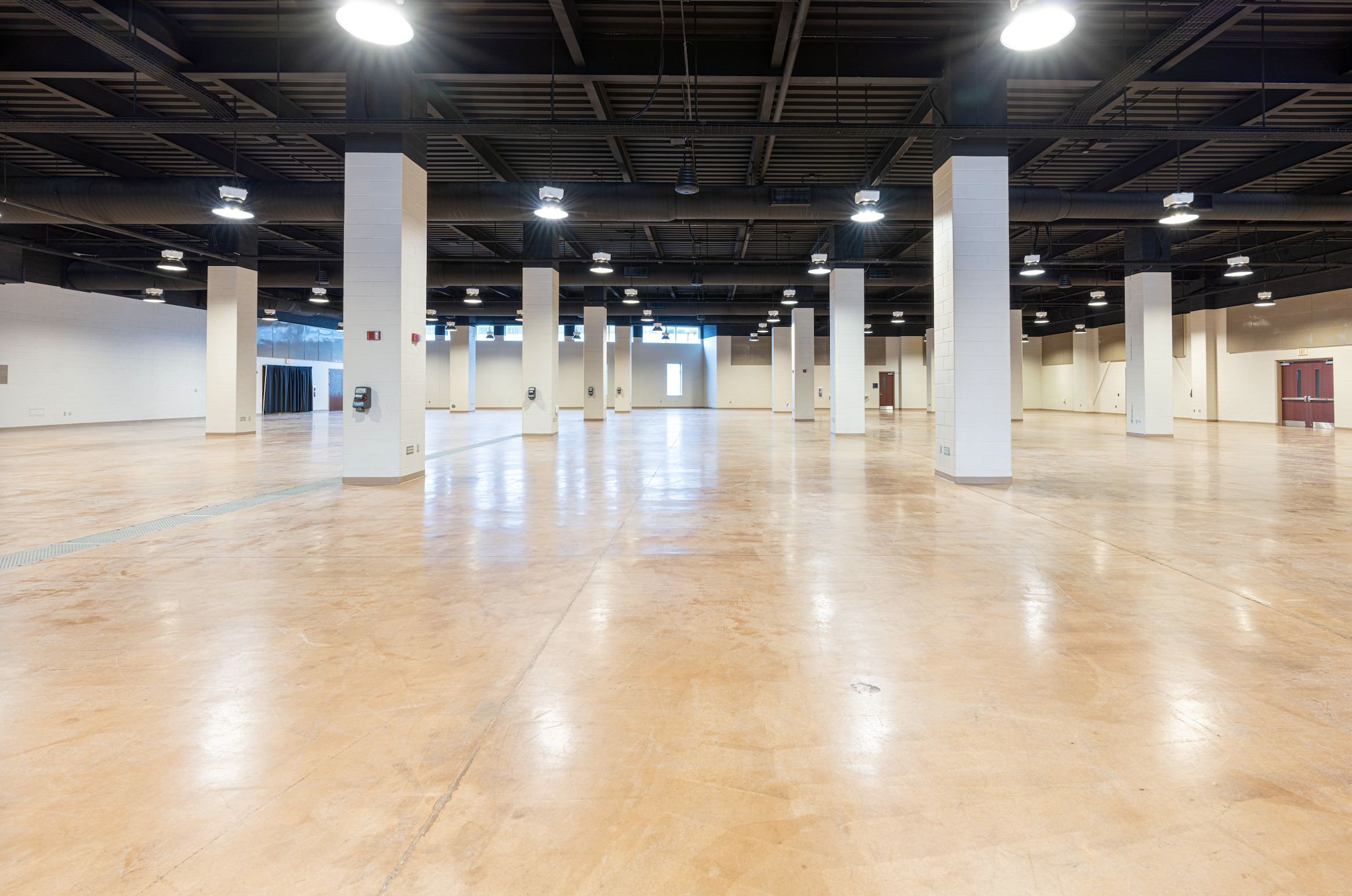
Exhibit Hall - Blair County Convention Center
When planners tour a venue, the room usually gets all the attention. They look at ceiling height, capacity, loading access, stages, breakout rooms, and whether the floor plan can accommodate the event they have in mind. Those details matter. But an empty room does not set itself, clean itself, troubleshoot itself, or transform itself between one part of the program and the next.
That work belongs to the people behind the scenes.
A responsive facilities team is one of the most important resources a venue can offer, even if attendees never know the team is there. They are the people moving tables and chairs, preparing rooms, maintaining the building, supporting technology, coordinating access, keeping public areas clean, and solving the small problems that could otherwise become very visible problems.
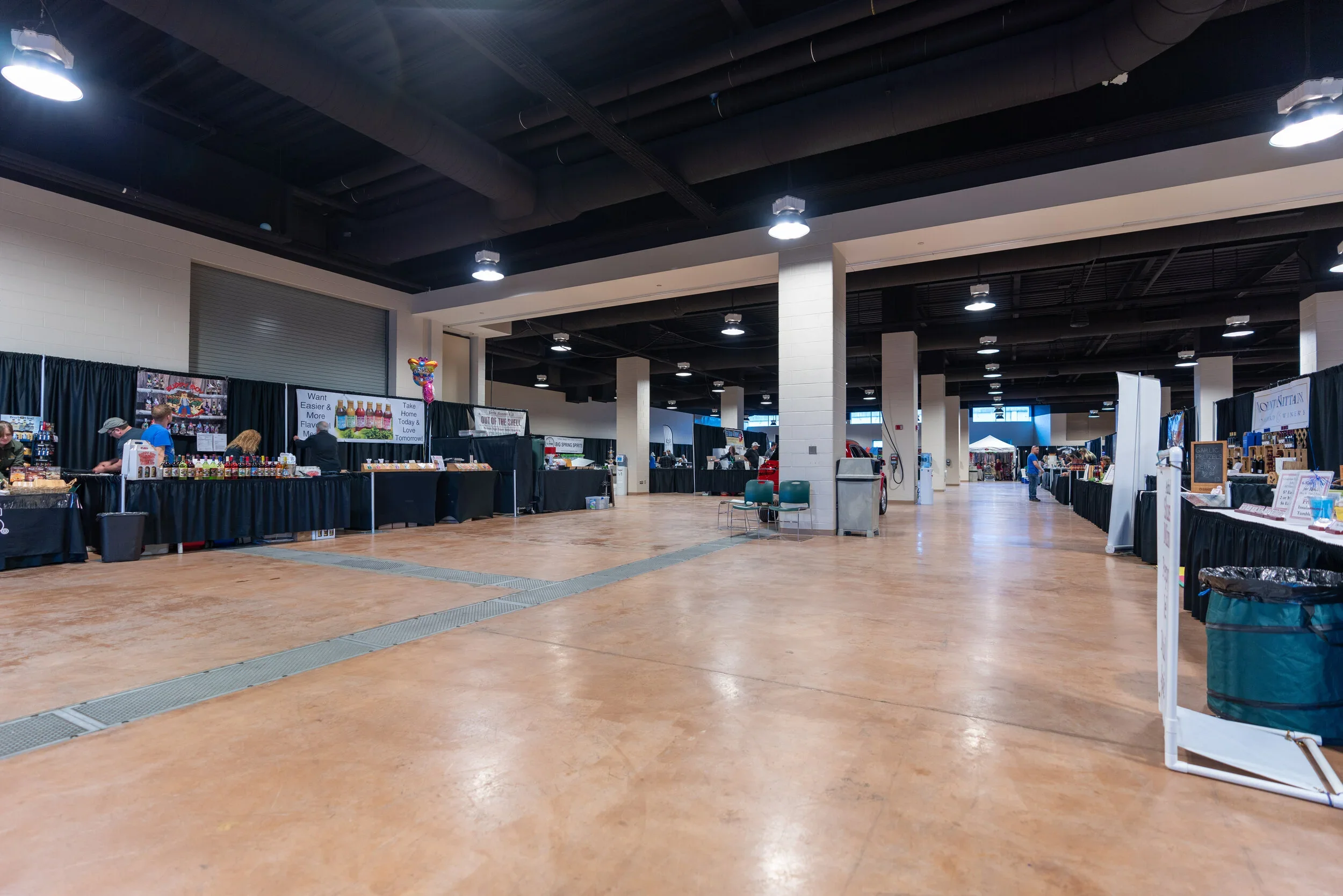
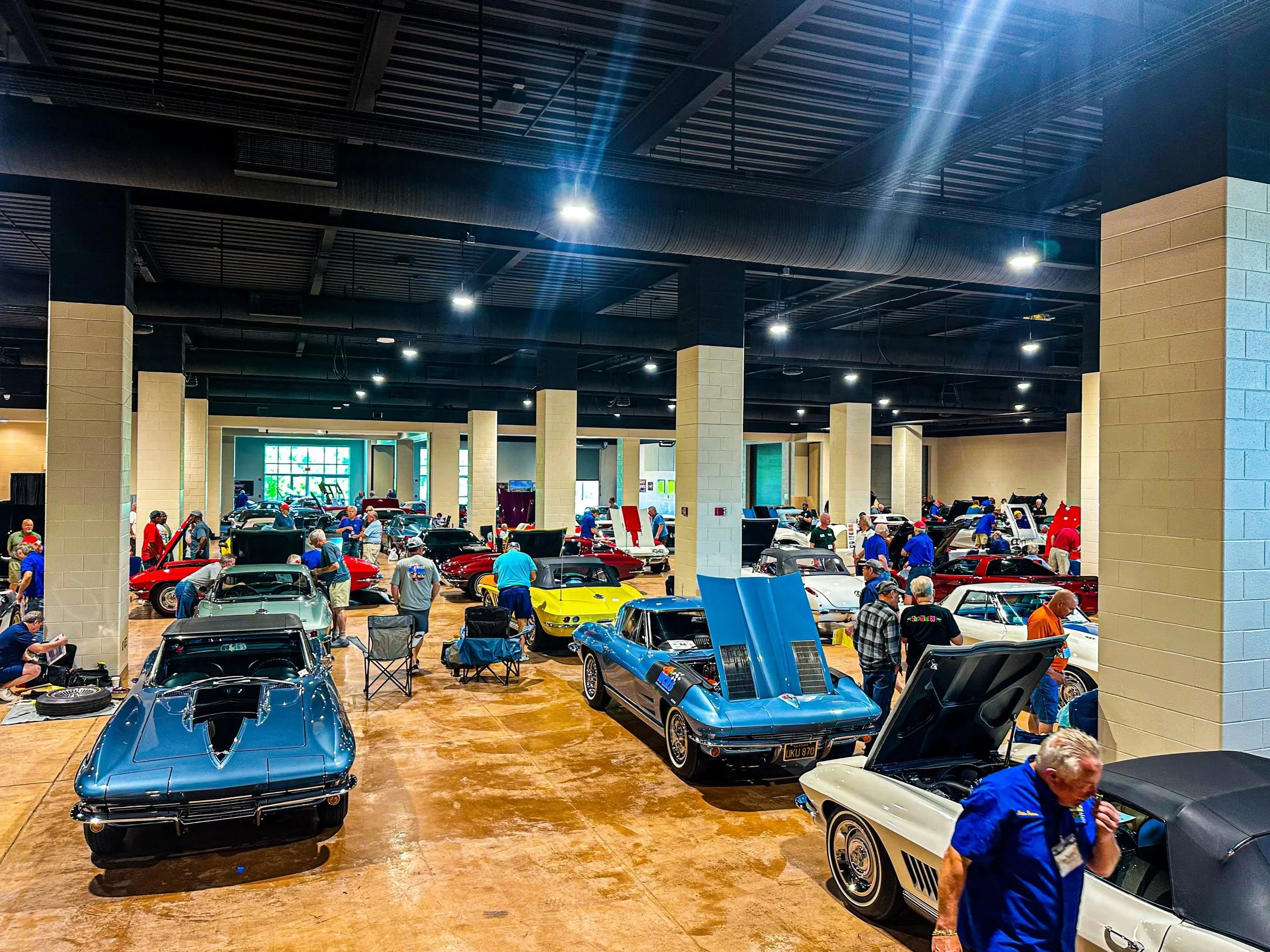
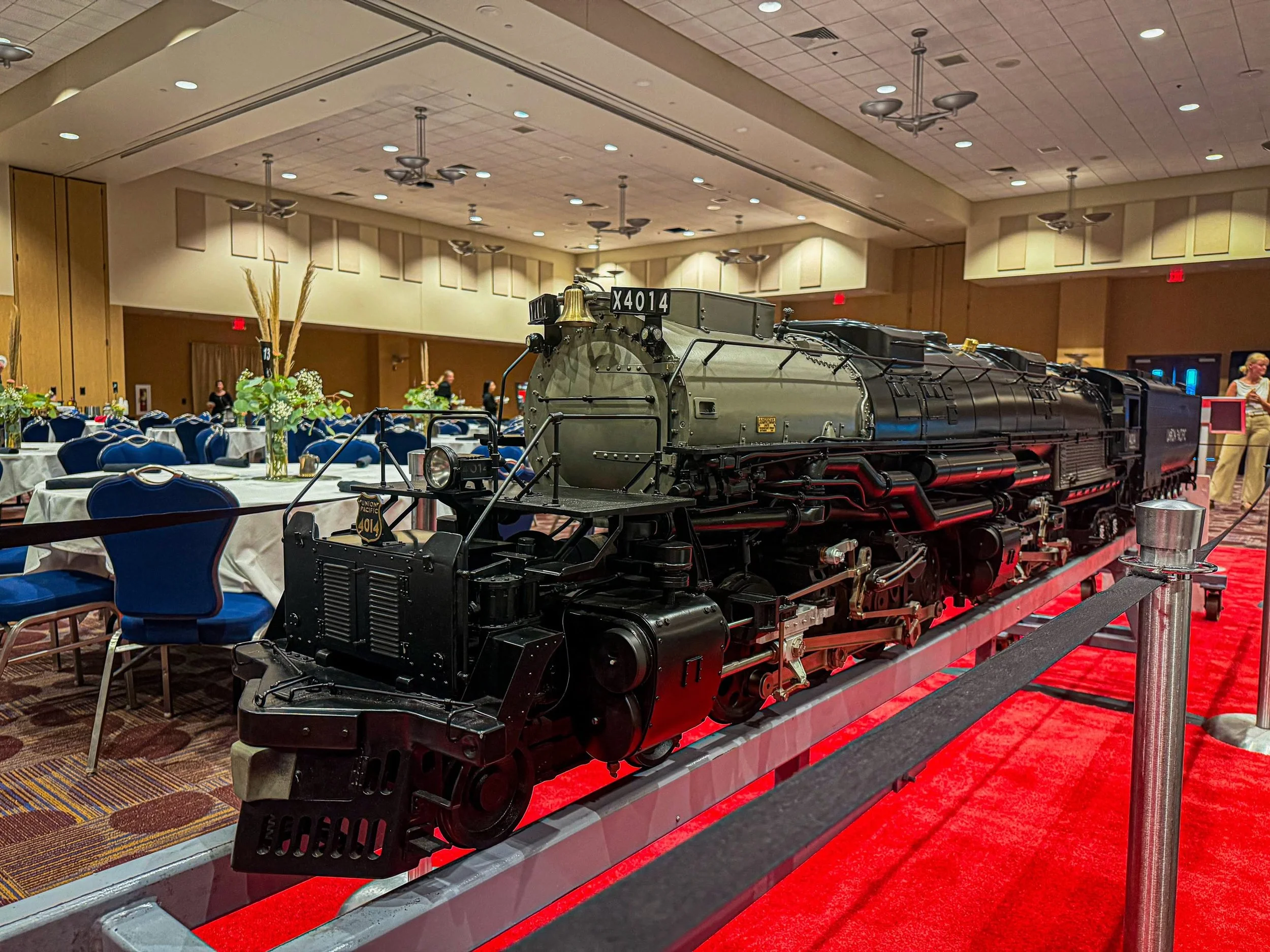
At the Blair County Convention Center, recent events such as Sci-Fi Valley Con, National Corvette Restorers Society gatherings, and the Railroaders Memorial Museum Benefit Dinner have each used the facility in dramatically different ways. Much of the specialty equipment, displays, vehicles, merchandise, and themed material may come from the event organizers themselves. The venue's role is not to take credit for what clients bring into the building. It is to provide the reliable foundation that allows those elements to be installed, experienced, and removed successfully.
The Room Is Only Half the Product
Event space is often marketed through numbers: square footage, capacity, ceiling height, and the number of available rooms. Those specifications help planners determine whether a venue can physically host an event. They do not reveal how well the venue will function once the schedule is underway.
The International Association of Exhibitions and Events includes common room setups, event specification guides, function setup orders, and accessible meeting organization among the core competencies of conference and meeting management (International Association of Exhibitions and Events [IAEE], n.d.). In other words, setup is not a decorative afterthought. It is part of the operational structure of the event.
A theater-style session, classroom layout, exhibit floor, dining setup, registration area, and vehicle display all require different spacing, traffic flow, equipment, and preparation. Even when an organizer supplies the main attraction, the venue team still has to understand how that attraction affects doors, aisles, utilities, cleaning, safety, and the rooms around it.
The Blair County Convention Center's facilities crew is responsible for client setups, building maintenance, housekeeping, technology needs, and the mechanical, electrical, fire, and elevator systems that support the facility (Blair County Convention Center, n.d.-a). That is a much larger job than placing chairs in straight rows, although straight rows are also appreciated.
What a Room Flip Really Requires
The phrase room flip sounds quick. Sometimes it is. The work behind it rarely is.
A room may need to move from a general session into smaller breakout spaces, from classroom seating into a meal setup, or from daytime programming into an evening event. The outgoing layout has to be broken down, equipment must be moved without disrupting nearby activity, the room must be cleaned, and the new setup has to be completed accurately and on schedule.
A good flip also requires the team to think beyond tables and chairs. Are the aisles wide enough? Are sightlines clear? Is the stage positioned correctly? Are power and audiovisual connections accessible? Can food and beverage staff enter without crossing the primary guest path? Is the next group able to begin on time?
This is why changeovers need to be discussed during planning, not introduced as a surprise five minutes before a session ends. The BCCC's rules and regulations specifically address changes to an initial meeting-room setup, reinforcing that changeovers require labor, coordination, and advance communication (Blair County Convention Center, n.d.-c). Flexibility is real, but it is not magic. Someone still has to move the tables.
Responsiveness Is a Venue Feature
Planners often compare venues by the features they can see. Responsiveness is harder to photograph, but it can have a greater effect on the event than almost anything in the room.
Meeting Professionals International identifies responsiveness, communication, flexibility, and problem-solving ability as important criteria when planners select event partners. Strong partner relationships improve communication, help challenges get resolved more quickly, and make the onsite experience more collaborative (Murphy-Stott, 2026).
That matters because events are live. Attendance changes. A speaker needs a different setup. A vendor arrives with an unexpected requirement. A room feels too crowded once it is occupied. A sign needs to move. A spill happens. A microphone decides it has contributed enough for the day.
The goal is not to pretend that nothing unexpected will happen. The goal is to work with a venue team that responds calmly, communicates clearly, and knows the building well enough to find a realistic solution.
Early coordination matters too. Industry guidance on event risk management recommends involving venue contacts and operations teams early, because they can identify issues with room setup, crowd flow, timing, and communication before those issues become disruptions (Meeting Professionals International [MPI], 2026). A facilities team should not be treated as the group that receives instructions at the end of planning. Their knowledge is most valuable while the plan can still be improved.
Behind Three Very Different Events
Consider how differently a convention center must operate for three recent BCCC events.
Sci-Fi Valley Con brings a high-energy public convention with vendors, panels, displays, costumes, merchandise, and constant attendee movement. NCRS events bring valuable vehicles into the facility and require careful coordination of loading access, floor placement, pathways, and building rules. The Railroaders Memorial Museum Benefit Dinner uses the ballroom for a focused evening program with dining, presentations, guest circulation, and client-provided railroad displays.
The organizers create the content and identity of each event. The facilities team creates the conditions that allow it to work.
That can mean preparing the base room layout before move-in, coordinating loading areas, confirming where materials may be placed, maintaining clean public spaces throughout the event, responding to equipment or technology questions, adjusting setups, and returning the facility to a clean, ready condition after teardown. BCCC's published planning information notes that tables, chairs, setup, and labor are included with meeting-room use, while its facilities team also supports in-house audiovisual equipment and technology needs (Blair County Convention Center, n.d.-a, n.d.-b).
These details are not the part attendees photograph. They are the reason attendees can focus on the part they came to see.
What Planners Should Ask Before Booking
A venue tour should include more than questions about capacity and cost. Planners should also ask who will be onsite, how setup information is communicated, how changeovers are scheduled, what support is available during the event, and how the venue handles last-minute operational issues.
Ask whether the same team involved in planning will communicate with the crew completing the setup. Ask how detailed the room diagrams and function orders will be. Ask when final changes are due. Ask who has authority to approve adjustments onsite. Ask what happens when two rooms need attention at the same time.
The answers reveal whether a venue is simply renting a room or actively partnering in the event.
The Best Work Is Often Invisible
When a facilities team does its job well, guests may never notice the work at all. The room is ready when they arrive. The aisles make sense. The building is clean. The session begins on time. A problem is corrected before it becomes a distraction. Then, while everyone else is heading home, the room begins changing again.
That invisible work is not separate from the attendee experience. It is the structure underneath it.
At the Blair County Convention Center, flexibility is not only a feature of the floor plan. It is the ability of an experienced team to prepare, adapt, and respond from setup through teardown. Because planners are not only booking space. They are trusting the people responsible for making that space work.
The room may be what first catches a planner's attention. The team is what gives them confidence to come back.
Planning an event that needs a responsive, hands-on venue team? Schedule a tour of the Blair County Convention Center and meet the people who help bring every setup to life.
References
Blair County Convention Center. (n.d.-a). Spaces of the BCCC. Retrieved July 14, 2026, from https://www.blairconventioncenter.com/spaces
Blair County Convention Center. (n.d.-b). Event planner FAQs. Retrieved July 14, 2026, from https://www.blairconventioncenter.com/event-planner-faqs
Blair County Convention Center. (n.d.-c). Rules & regulations. Retrieved July 14, 2026, from https://www.blairconventioncenter.com/rules-regulations
International Association of Exhibitions and Events. (n.d.). CEM course descriptions. Retrieved July 14, 2026, from https://www.iaee.com/cem/cem-course-descriptions/
Meeting Professionals International. (2026, May 11). Modern event risk management: Moving from crisis response to proactive mitigation. https://www.mpi.org/media/blog/articles/article/event-risk-management-process-proactive-mitigation
Murphy-Stott, J. (2026, June 24). Building strong partnerships: Insights for meeting planners to effectively collaborate with venues, AV teams, decorators, and other event partners. Meeting Professionals International. https://www.mpi.org/chapters/new-jersey/chapter-news-blog/single-blog/article/building-strong-partnerships--insights-for-meeting-planners-to-effectively-collaborate-with-venues--av-teams--decorators--and-other-event-partners